Clark Creek Hiking Trail
Park
0.1 mi
4.6 (59)
109 Ft Adams Pond Rd, Woodville, MS 39669

Background: generated illustration, not a photograph of this location.
Plan Clark Creek Natural Area near Woodville with waterfall scenery, steep-trail preparation, trailhead facilities, day-use rules and fee information to confirm.
Location
A closer look
Photos show past visits, not current water levels or swimming conditions. Select a photo to view it larger.
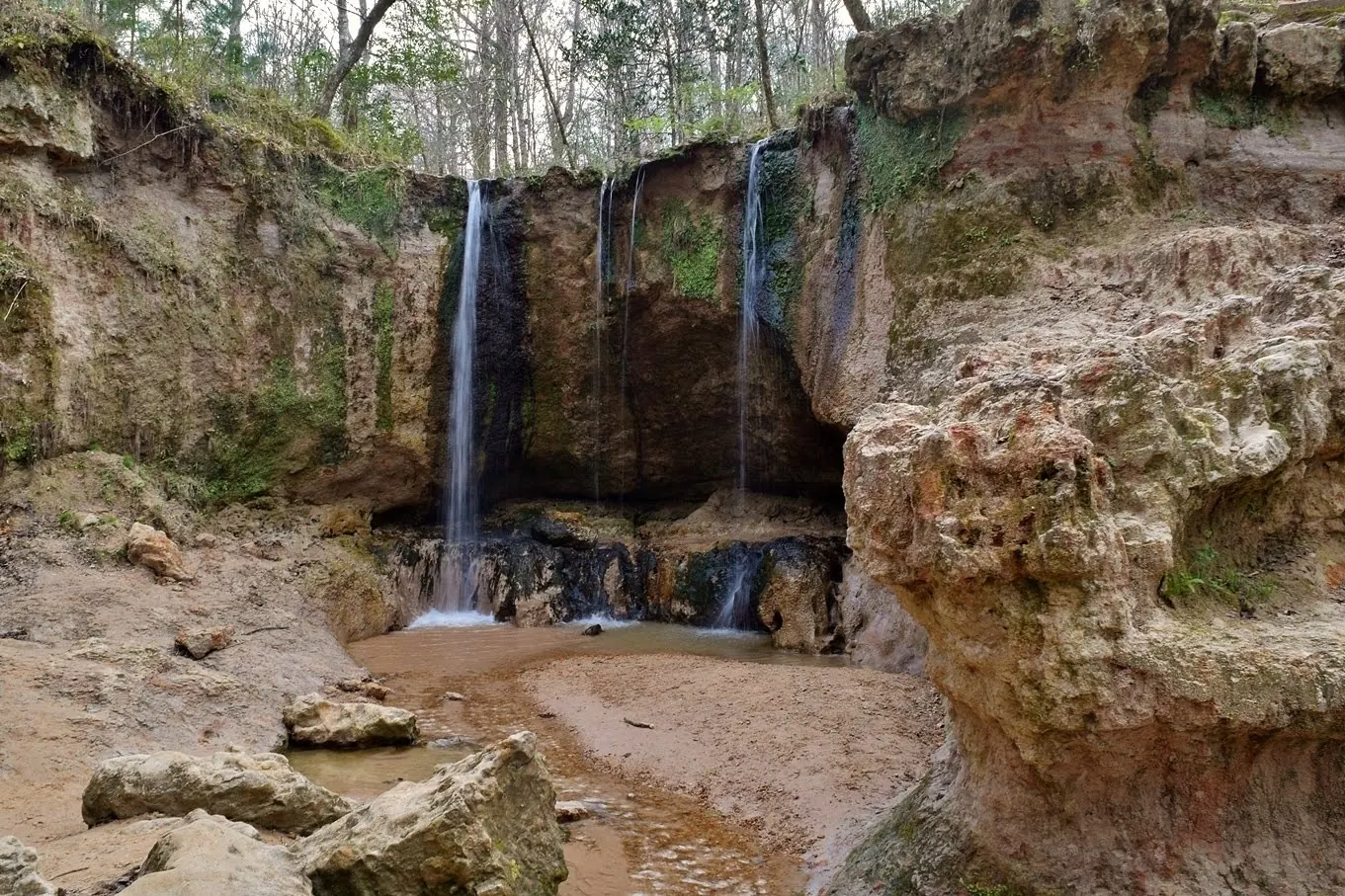
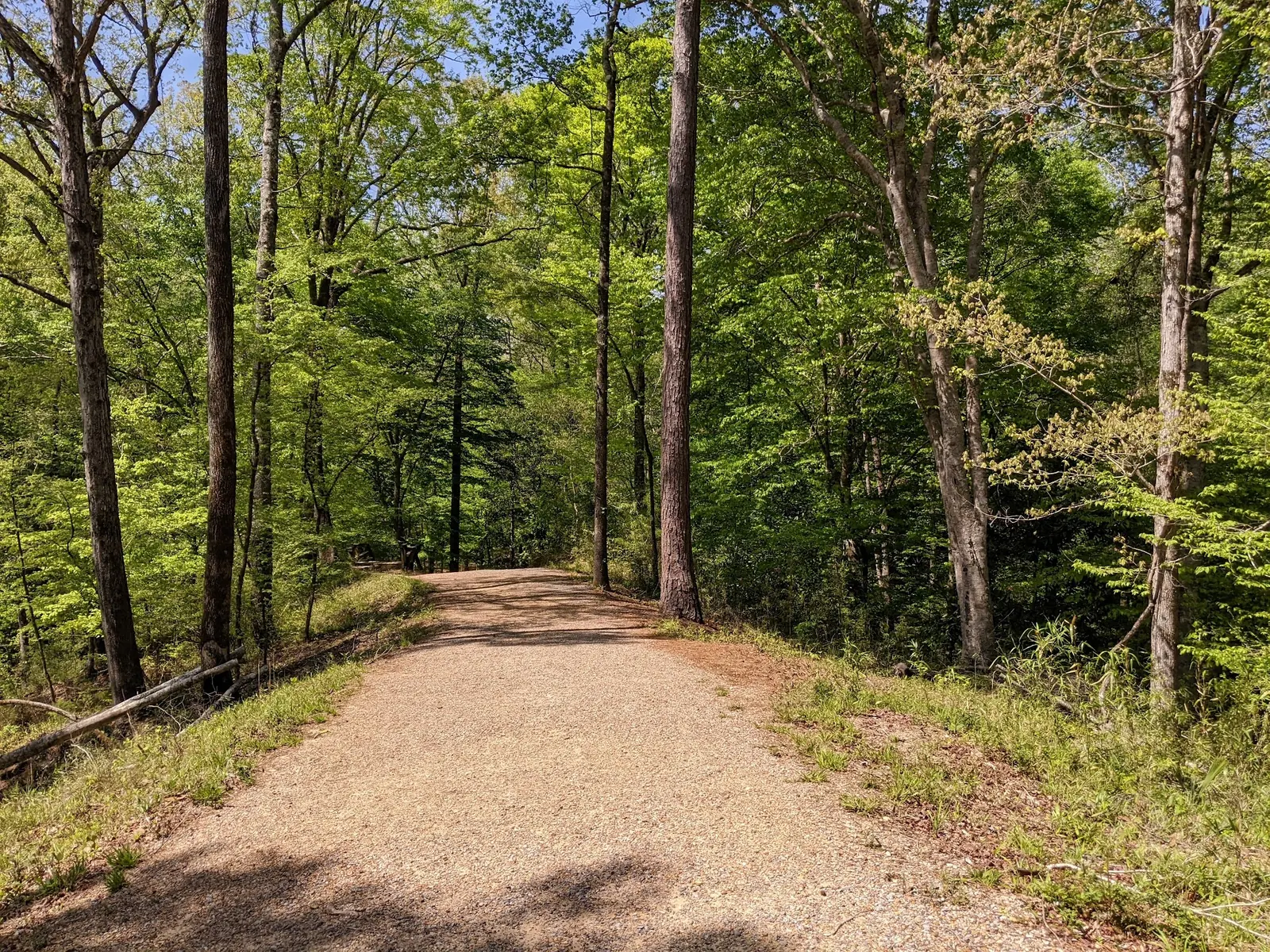
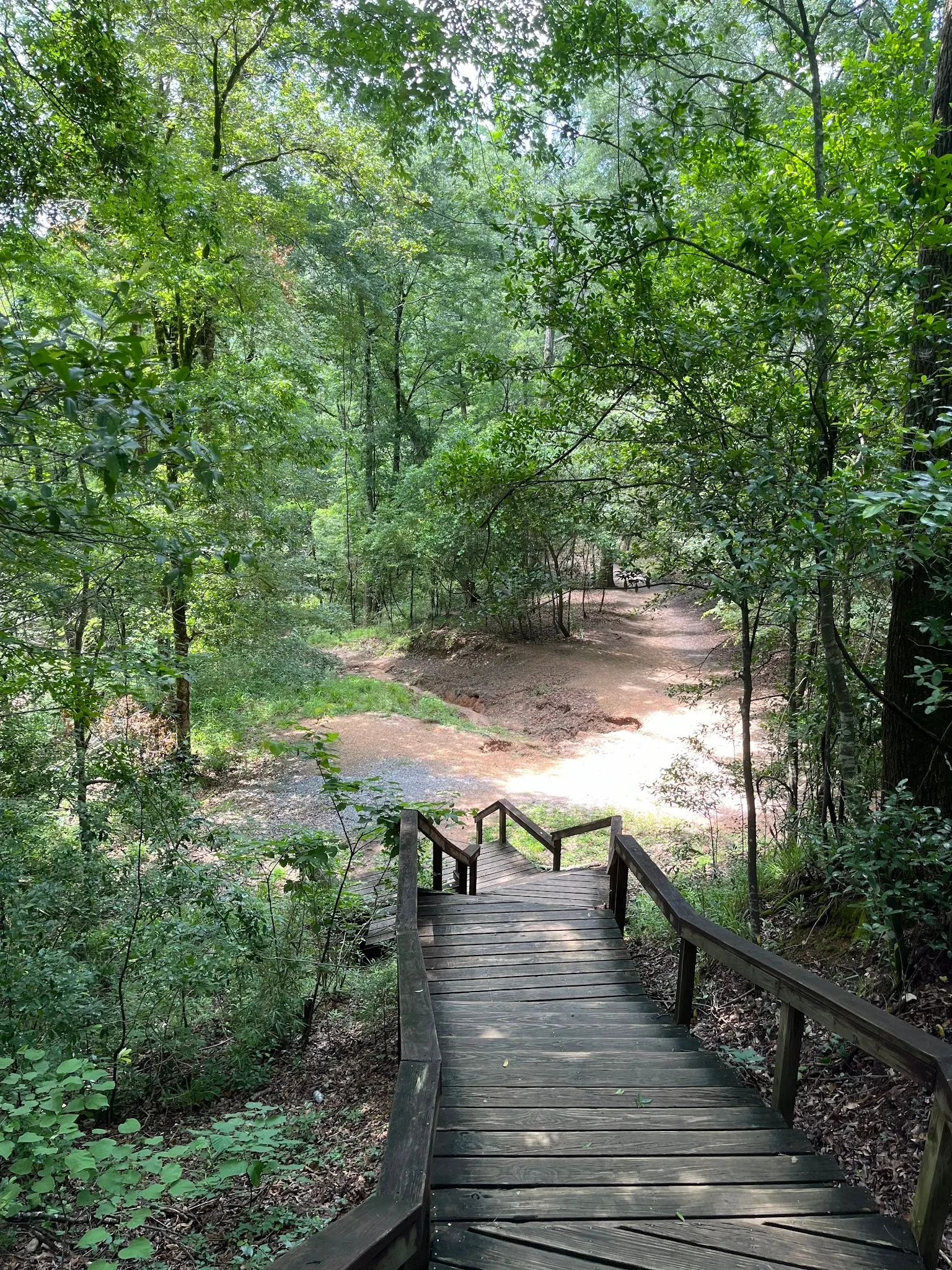
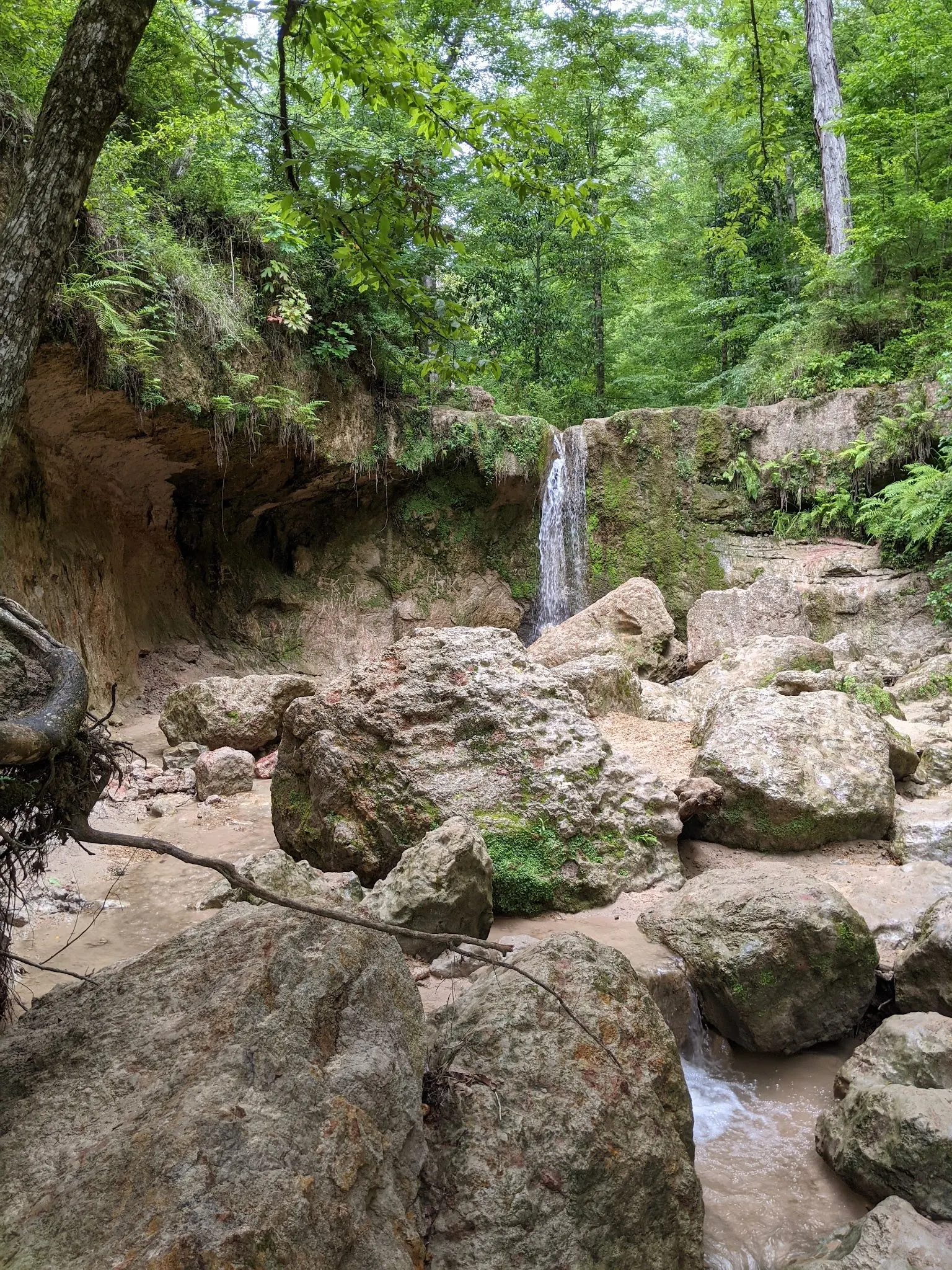
This is a desk-researched listing. A record update or map check does not confirm current swimming permission or water conditions.
Found an error? Send a correction with the location and a source. How we research listings.
The manager's indexed park information describes waterfall viewing and established foot trails. It does not establish a designated swimming area. Direct retrieval failed during this review, so current access still needs confirmation. The old blanket recommendation to swim in clear, spring-fed pools has been removed.
Steep ravines, slippery rock and remote approaches require suitable footwear, carried water and enough time to return. Gallery pictures are not an entry-depth or water-quality assessment.
The indexed fee and a saved entrance-sign photo disagree. Contact MDWFP at 601-432-2400 for the current tariff and opening notice. Use the manager's address, 366 Fort Adams Pond Road, Woodville, rather than contradictory historical driving instructions.
The indexed manager information excludes camping and motorized vehicles, with facilities concentrated at the trailhead. Confirm facility availability and current hours before travel. Stay on established trails and respect posted restrictions.
The manager's indexed park address is 366 Fort Adams Pond Road, Woodville, MS 39669. Confirm the current route and parking before travel. The historical pin is not a verified trailhead or swimming entry; contradictory old turn-by-turn directions are not retained as current instructions.
Official indexed information lists 8 a.m.-5 p.m. and Thanksgiving/Christmas closures. Direct page retrieval failed during review, so confirm current hours and notices with MDWFP. Parking is limited; carpool when practical.
Confirm the entrance, parking arrangements, and legal access with the land manager. A map pin does not establish a public right of access. Follow posted routes and never block gates or driveways.
Current swimming permission has not been independently confirmed for this listing. Check official rules, fees, hours, and closures before visiting. Public park access does not necessarily include permission to swim. Respect private property and posted restrictions.
Water conditions can change quickly. This listing does not provide a current safety or water-quality assessment. Check official alerts and avoid entering water when conditions or permission are uncertain.
Nearby places from saved public map data, not necessarily facilities at the swimming spot. Confirm access, hours, fees, and amenities with the operator before you drive.
Map data retrieved 2026-06-15
Park
109 Ft Adams Pond Rd, Woodville, MS 39669
City government office
510 Main St, Woodville, MS 39669
Rest stop
919 US-61, Woodville, MS 39669
RV park
2074 Whitestown Rd, Woodville, MS 39669
Campground
Clear Spring Rd, Roxie, MS 39661
No. The official indexed information describes waterfall scenery and foot trails without establishing a designated swim area. Ask the manager before any water entry.
The official indexed tariff and a saved sign photo conflict. Call MDWFP at 601-432-2400 for the current amount rather than relying on either as today's price.
The manager's indexed information excludes camping. Plan a day visit and confirm current access before travel.
No. They show historical scenery, not current water quality, depth, access permission or trail conditions.
Located near Woodville, one of Mississippi’s oldest towns, Clark Creek is steeped in historical significance. The area reflects the region's pioneer heritage and offers a glimpse into Mississippi’s rich past.
Waterfall ravine, forest path, wooded stairs and rocky creek scenery. Saved images are historical context, not permission to enter water or current trail-condition evidence.
Use established trails and remove litter. The manager's indexed information prohibits hunting, camping and motorized vehicles. Confirm current pet requirements rather than treating an old sign photo as today's full rule set.
Browse every listed natural swimming spot in Mississippi.
Find similar creeks destinations across the directory.
See under-the-radar places and local favorites in the same state.
Compare easier-access destinations and safer planning options.
Explore waterfall-focused swimming destinations in Mississippi.
Use this safety guide before entering any natural water.
Safety & Access Notice
This information is for general planning only and may be incomplete, outdated, or inaccurate. Access rules, closures, water levels, currents, hazards, and legal restrictions can change at any time. Always verify current rules with the land manager or official source before visiting.
You are responsible for your own safety and for following all posted signs, laws, and local regulations. Read the full disclaimer.
The manager's indexed information does not permit camping or motorized vehicles in the natural area. Plan a day visit on foot.
Loading weather data…
Safety & Access Notice
This information is for general planning only and may be incomplete, outdated, or inaccurate. Access rules, closures, water levels, currents, hazards, and legal restrictions can change at any time. Always verify current rules with the land manager or official source before visiting.
You are responsible for your own safety and for following all posted signs, laws, and local regulations. Read the full disclaimer.
Joshua Havens created Hidden Swimming Holes to make it easier for people to find — and safely visit — natural freshwater swimming destinations across the United States. He researches access conditions, water quality resources, and land management rules so you don't have to start from scratch. He holds a strong belief that good outdoor recreation information should be accurate, honest about its limitations, and freely available.
Discover other amazing natural swimming destinations across America