Castle Windy
Hiking area
4.6 (50)
Atlantic Ave S, New Smyrna Beach, FL 32169

Background: generated illustration, not a photograph of this location.
Compare Apollo and Playalinda beach access at Canaveral National Seashore, with entrance fees, ocean safety, pet restrictions and accessible-route planning.
Location
A closer look
Photos show past visits, not current water levels or swimming conditions. Select a photo to view it larger.
This is a desk-researched listing. A record update or map check does not confirm current swimming permission or water conditions.
Found an error? Send a correction with the location and a source. How we research listings.
This Florida Atlantic-coast listing covers Apollo Beach near New Smyrna Beach and Playalinda Beach near Titusville. It is an ocean-beach overview, not a freshwater swimming hole or a single water-entry location. Choose a district before setting your navigation destination.
NPS directions route Apollo visitors from I-95 exit 249 toward SR 44 and South A1A. Playalinda visitors approach from exit 220 via Garden Street east. The park headquarters address is not a substitute for beach arrival instructions. Confirm which lot is open rather than following old directions to a secluded beach section.
The official fee page lists a $25 private-vehicle pass covering its passengers for seven consecutive days. The entrance stations accept cashless payment. Check current prices and pass eligibility before departure; the visitor center and headquarters do not sell entrance passes.
Park safety guidance states that lifeguards are not available. Rip currents, rough surf and changing weather can make water entry unsuitable. Do not treat a calm-looking photo as a safety assessment. Bring water and sun protection, and seek appropriate shelter when thunderstorms approach.
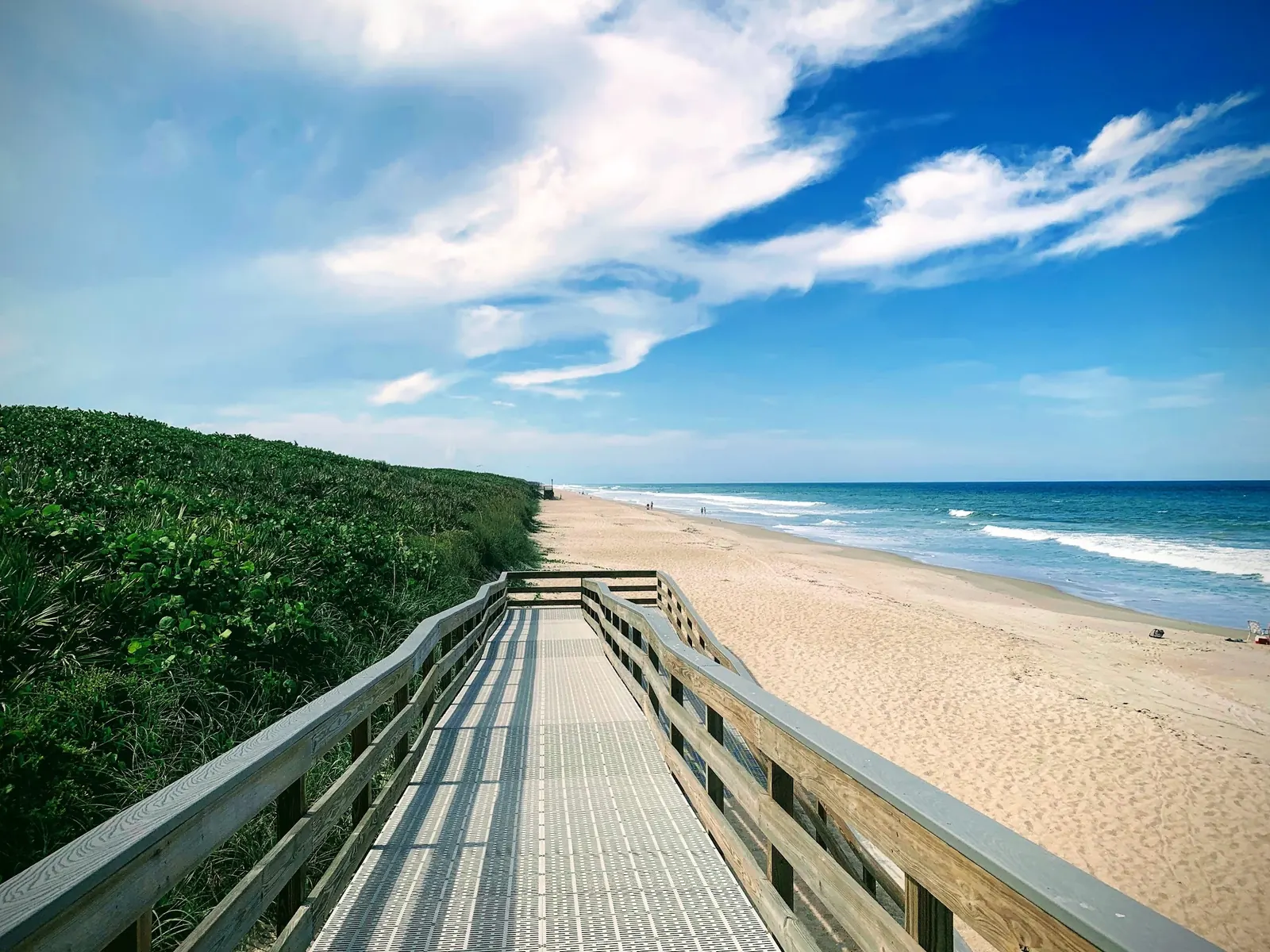
The park FAQ identifies accessible ramps in both districts and asks visitors to confirm lot opening status with rangers. Verify the route you need before traveling. Dogs are not allowed on beaches or beach boardwalks. Stay on designated paths and avoid dunes and wildlife disturbance.
NPS lists 14 backcountry island campsites in Mosquito Lagoon bookable through Recreation.gov. Backcountry beach camping is not allowed. An island reservation should be planned separately from a beach day, with current park instructions and appropriate boating preparation.
Read NPS alerts and conditions and confirm gate hours and open lots with the park. This October 9, 2026 review does not establish same-day surf, water quality or closure status. Precise entry coordinates are withheld because the listing combines two districts; four reviewed historical photographs provide park context, not exact lot identity or current water conditions.
Choose the district first. For Apollo Beach near New Smyrna Beach, NPS directs drivers from I-95 exit 249 via SR 44 toward South A1A. For Playalinda near Titusville, NPS directs drivers from I-95 exit 220 east on Garden Street toward the park. Use current NPS directions and posted access instructions, not the archived clothing-optional route.
Two separate beach districts require distinct arrival planning. A single inherited pin cannot represent both. Confirm current parking and accessible ramp availability with rangers; do not use historical waiting or hitchhiking advice.
Confirm the entrance, parking arrangements, and legal access with the land manager. A map pin does not establish a public right of access. Follow posted routes and never block gates or driveways.
Current swimming permission has not been independently confirmed for this listing. Check official rules, fees, hours, and closures before visiting. Public park access does not necessarily include permission to swim. Respect private property and posted restrictions.
Water conditions can change quickly. This listing does not provide a current safety or water-quality assessment. Check official alerts and avoid entering water when conditions or permission are uncertain.
Bring sturdy water shoes to protect your feet on rocks and slippery surfaces. A waterproof dry bag keeps your phone, keys, and valuables safe. Pack a quick-dry towel, sun protection, and drinking water - never drink from the natural water source.
Nearby places from saved public map data, not necessarily facilities at the swimming spot. Confirm access, hours, fees, and amenities with the operator before you drive.
Map data retrieved 2026-06-15
Hiking area
Atlantic Ave S, New Smyrna Beach, FL 32169
Visitor center
7611 Atlantic Ave S, New Smyrna Beach, FL 32169
National park featuring a serene, undeveloped seashore, walking trails & local bird & wildlife.
Nature preserve
7611 Atlantic Ave S, New Smyrna Beach, FL 32169
Picturesque, secluded park by the ocean with swimming, fishing, wildlife-watching & other features.
Campground
1300 Old Mission Rd, New Smyrna Beach, FL 32168
Campground with 200+ RV sites & cabins with A/C, plus a swimming pool & laundry facilities.
Campground
1050 Old Mission Rd, New Smyrna Beach, FL 32168
Campground
803 Old Mission Rd, New Smyrna Beach, FL 32168
Tourist information center
Sams Ave &, Canal St, New Smyrna Beach, FL 32168
Public bathroom
207 Buenos Aires St, New Smyrna Beach, FL 32169
Apollo is approached from New Smyrna Beach; Playalinda from Titusville. Select the district in current NPS directions before navigating.
No. NPS states lifeguard services are unavailable. Check surf, rip-current risk and weather before considering water entry.
No. The park is cashless. Check accepted payment options and current pass prices on its official fee page.
No. Dogs are prohibited on beaches and beach boardwalks.
NPS identifies ramps in both beach districts. Confirm the usable ramp and open parking lot with rangers before visiting.
Backcountry beach camping is not allowed. Mosquito Lagoon island camping is a separate reservable trip.
NPS describes protected cultural resources alongside coastal habitats; no additional site-specific history verified in this review.
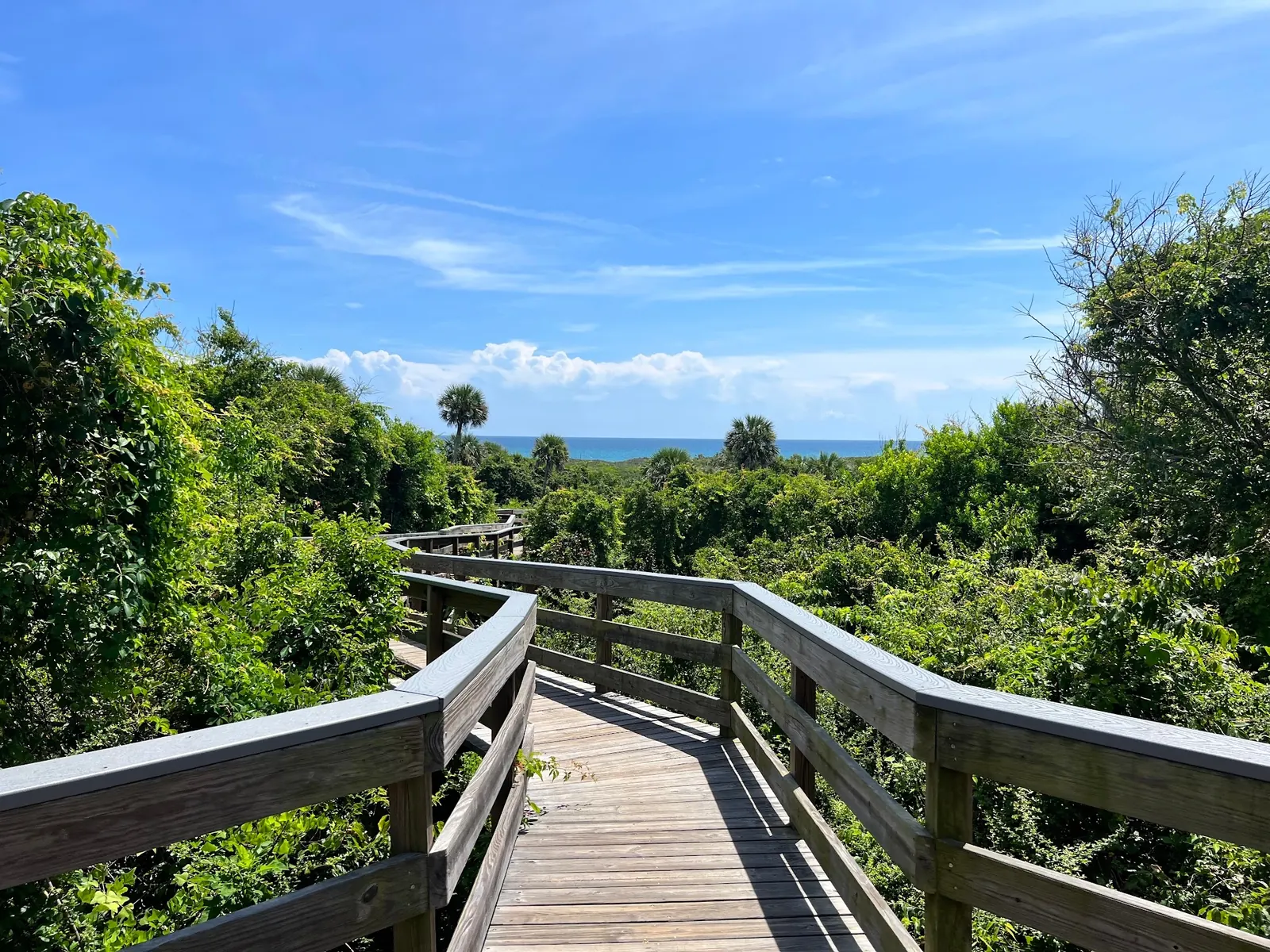
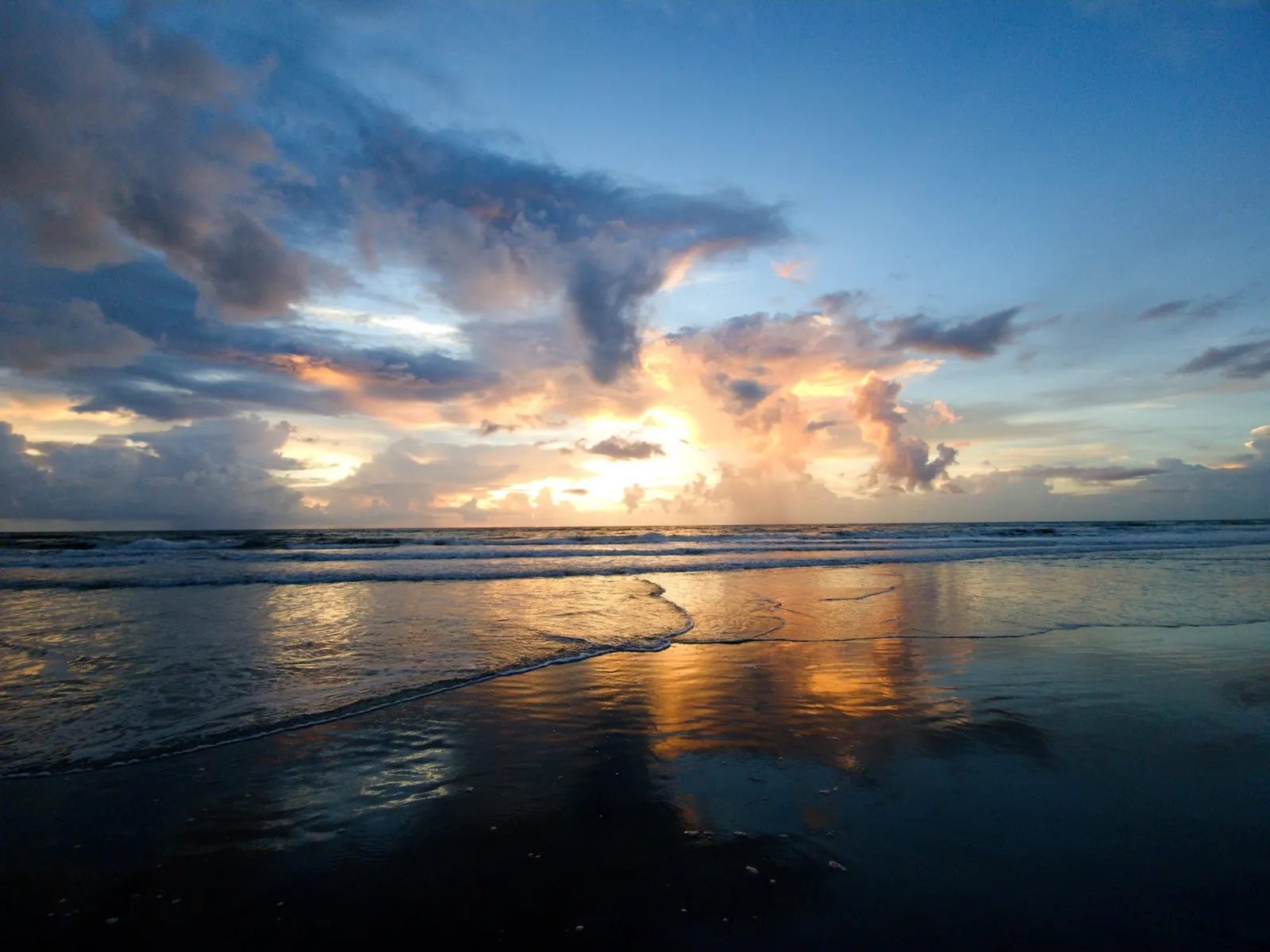
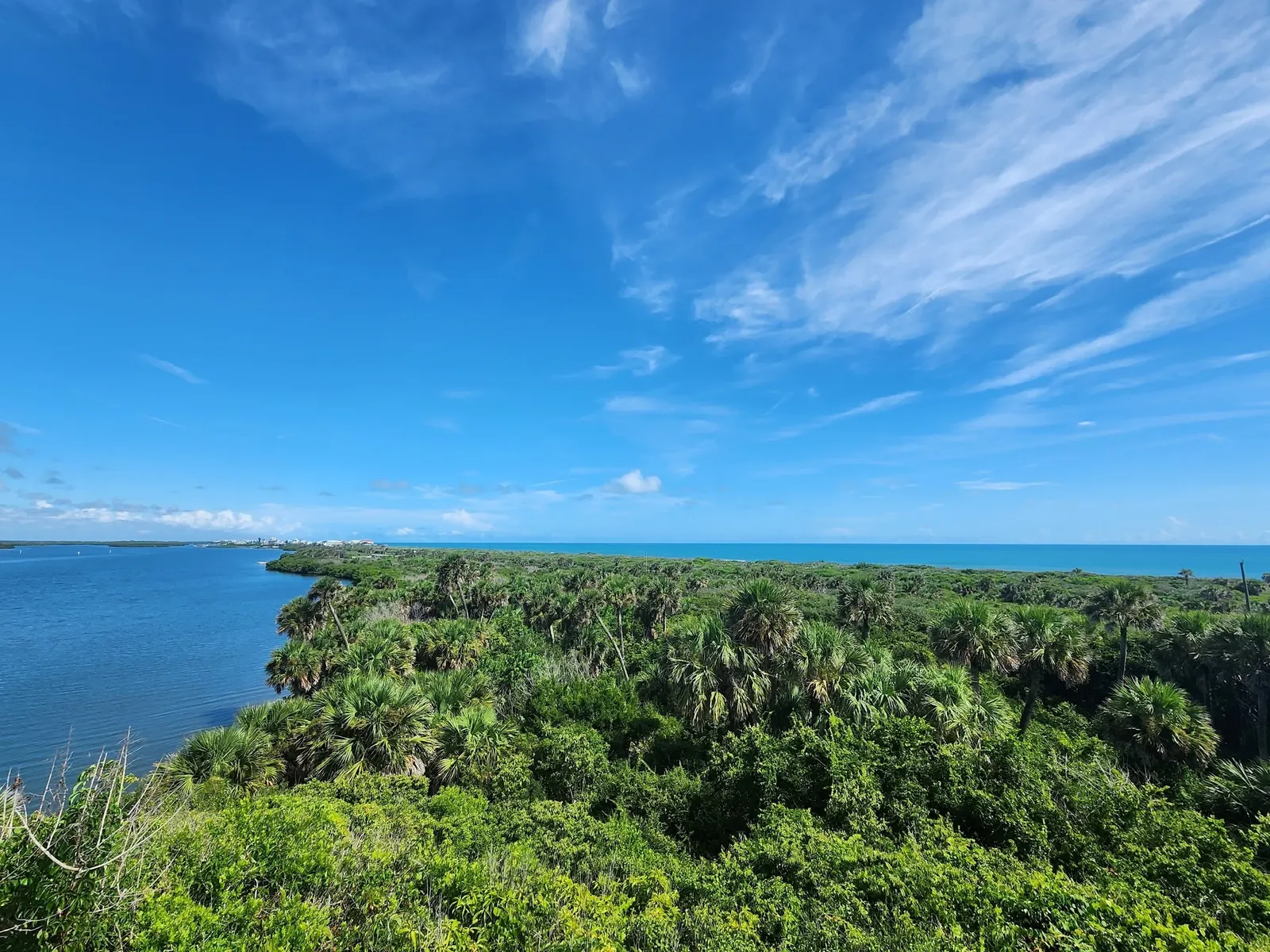
Four reviewed historical views show beach boardwalks, surf and coastal landscape. No specific lot, district or camera position is established. Photograph only from open public areas; do not enter dunes, approach wildlife or assume access outside gate hours.
Use designated boardwalks and trails, stay off dunes and give wildlife space. Dogs are prohibited on beaches and beach boardwalks.
Browse every listed natural swimming spot in Florida.
Find similar atlantic ocean beaches destinations across the directory.
See under-the-radar places and local favorites in the same state.
Compare easier-access destinations and safer planning options.
Use this safety guide before entering any natural water.
Safety & Access Notice
This information is for general planning only and may be incomplete, outdated, or inaccurate. Access rules, closures, water levels, currents, hazards, and legal restrictions can change at any time. Always verify current rules with the land manager or official source before visiting.
You are responsible for your own safety and for following all posted signs, laws, and local regulations. Read the full disclaimer.
NPS lists 14 reservable backcountry island campsites in Mosquito Lagoon. Backcountry beach camping is not allowed; confirm reservations and trip requirements with the park.
Loading weather data…
Safety & Access Notice
This information is for general planning only and may be incomplete, outdated, or inaccurate. Access rules, closures, water levels, currents, hazards, and legal restrictions can change at any time. Always verify current rules with the land manager or official source before visiting.
You are responsible for your own safety and for following all posted signs, laws, and local regulations. Read the full disclaimer.
Joshua Havens created Hidden Swimming Holes to make it easier for people to find — and safely visit — natural freshwater swimming destinations across the United States. He researches access conditions, water quality resources, and land management rules so you don't have to start from scratch. He holds a strong belief that good outdoor recreation information should be accurate, honest about its limitations, and freely available.
Discover other amazing natural swimming destinations across America