Lafayette Blue Springs State Park
State park
1.4 mi
4.6 (518)
799 Blue Springs Rd, Mayo, FL 32066
Featuring a natural limestone bridge, this park offers camping, boating, fishing & other activities.
Barbecue grillPicnic tablesPublic restroom
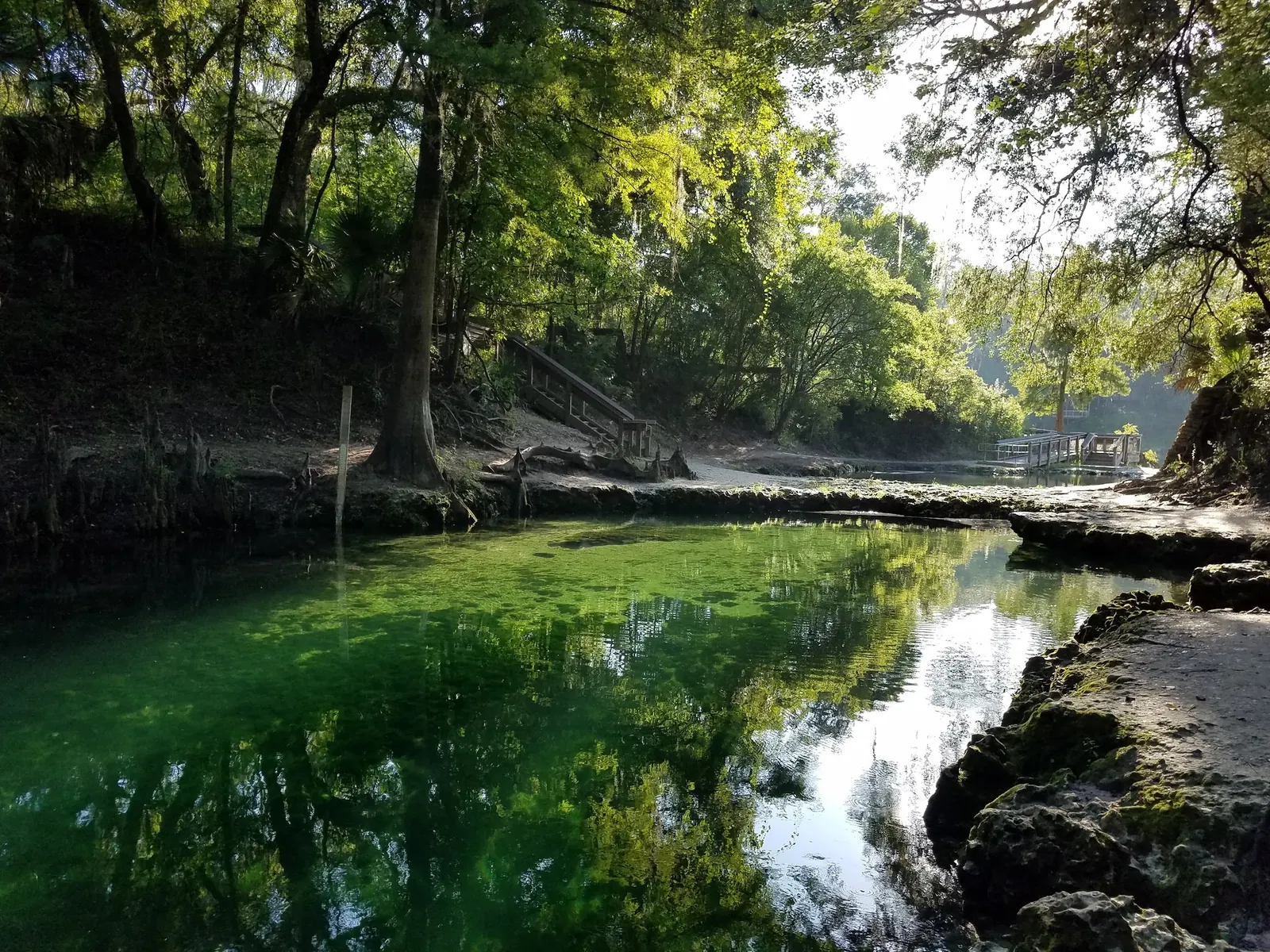
Background photo from a past visit, not current conditions. View photos and source links
Plan Lafayette Blue Springs with current entrance fees, swimming restrictions, flood checks and the walk-in camping notice.
Swimming restriction
Swimming and snorkeling are offered in the spring, with no lifeguard. Flooding and brownout events can close water access. Open-water scuba diving is prohibited.
Official sources checked:
Location
A closer look
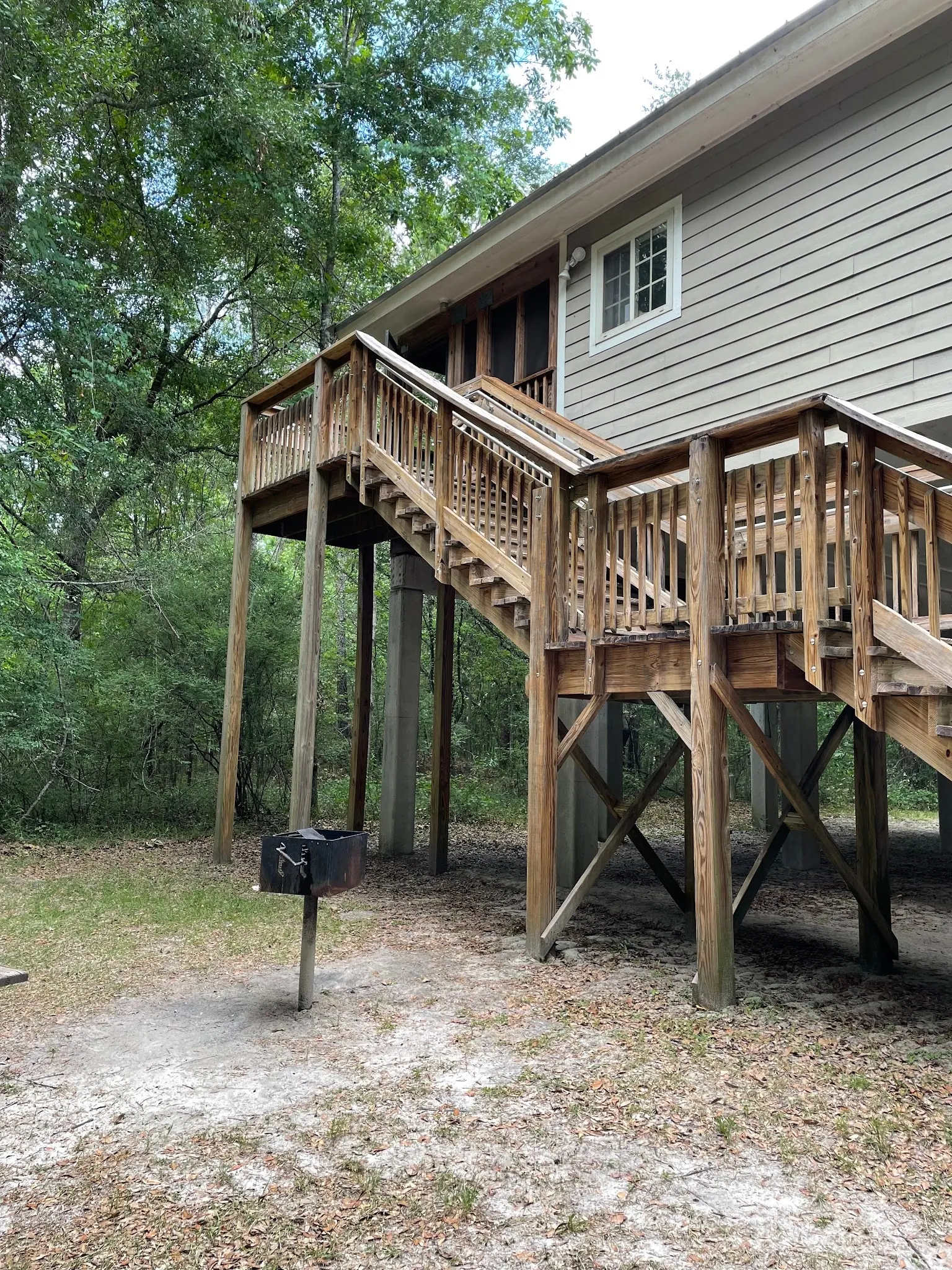
Photos show past visits, not current water levels or swimming conditions. Select a photo to view it larger.
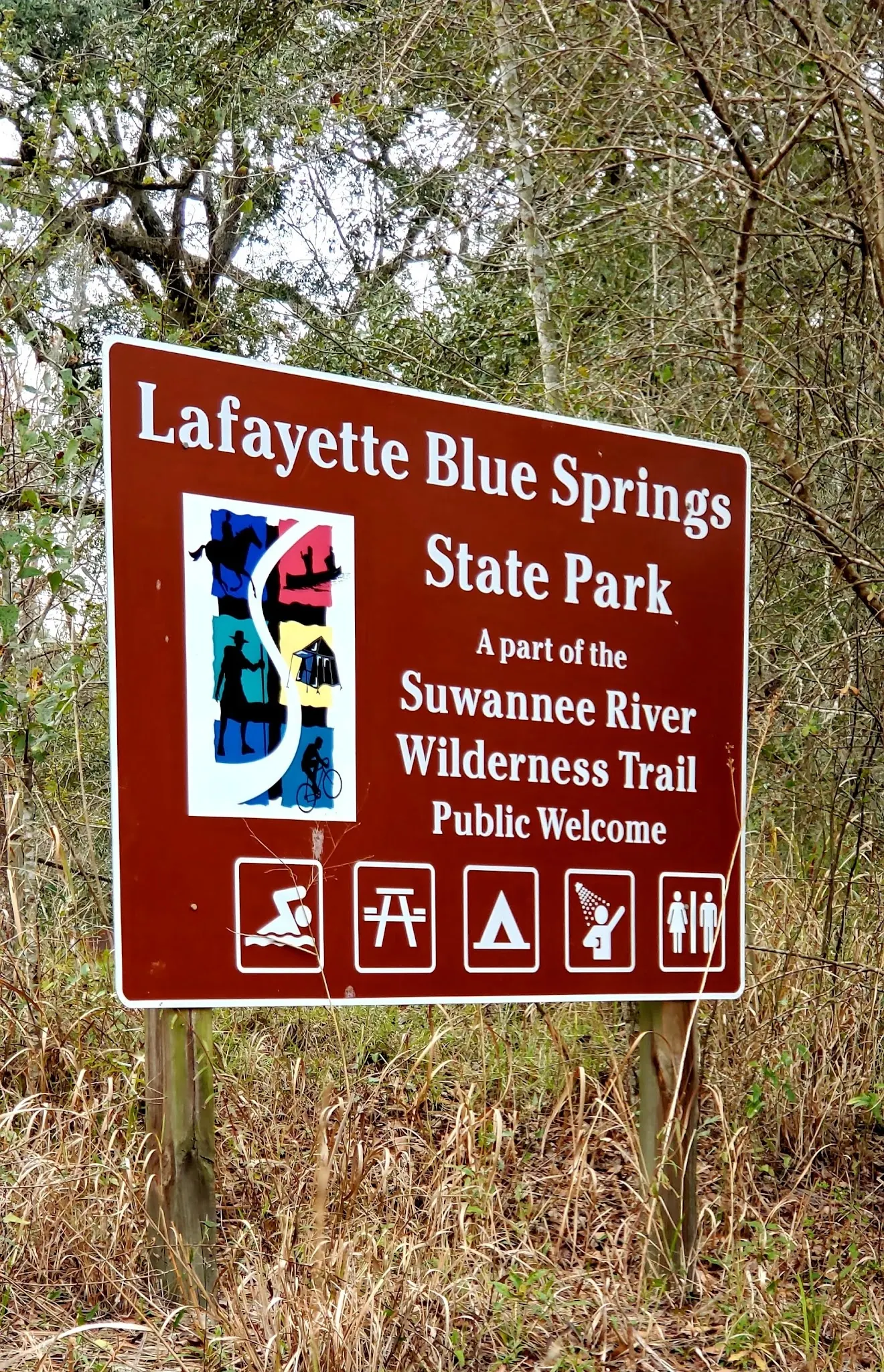
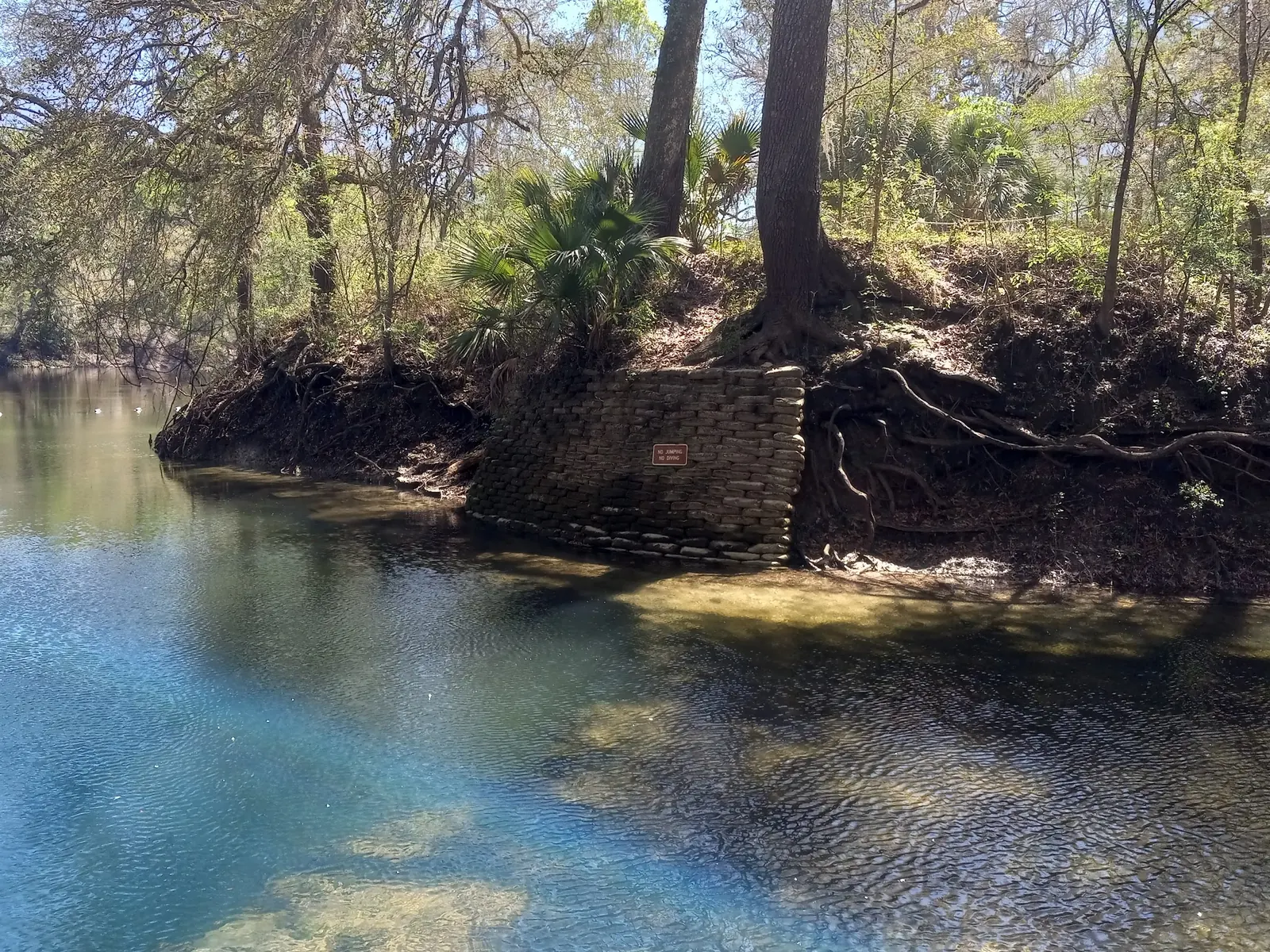
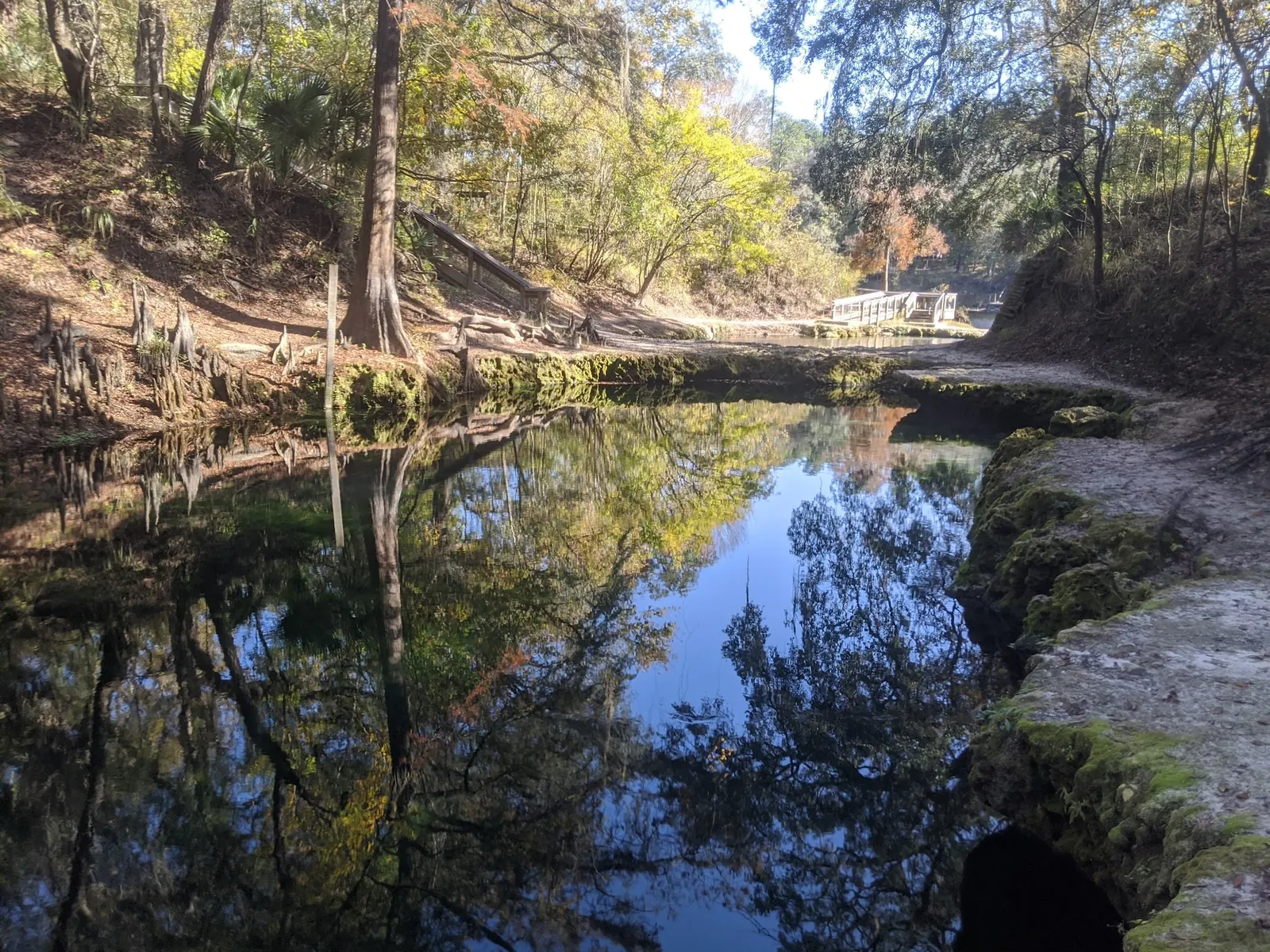
This is a desk-researched listing. A record update or map check does not confirm current swimming permission or water conditions.
Found an error? Send a correction with the location and a source. How we research listings.
Lafayette Blue Springs State Park offers spring swimming, but a directory description is not a same-day conditions report. Check the park's alerts before leaving and the posted restrictions when you arrive.
Swimming and snorkeling are offered in the spring, with no lifeguard. Flooding and brownout events can close water access. Open-water scuba diving is prohibited.
Cave diving is for certified teams of at least two. Divers must register at the north entrance ranger station before diving at the south entrance. Dives must finish an hour before sunset. Read the complete activity rules before planning a dive.
799 NW Blue Spring Road, Mayo, FL 32066. Open 8 a.m. to sunset. $5 per vehicle (2 to 8 people); $4 single occupant; $2 pedestrians, bicyclists and extra passengers. Honor box requires exact change. Call 386-294-3667 for current access information.
Day-use restroom, cold-water rinse station, picnic tables and grills, parking. A walkway ramp is listed among accessible amenities; this does not establish an accessible water-entry route.
The fee page says walk-in camping is currently unavailable as checked September 23, 2026. Older official descriptions still mention camping, so confirm directly instead of arriving with a tent. Cabins are separately bookable. Flooding can reduce clarity and close swimming or diving; clear water is not guaranteed.
Use the official park address: 799 NW Blue Spring Road, Mayo, FL 32066. Confirm the entrance for your activity with park staff at 386-294-3667. The directory coordinates have not been verified as the water-entry location.
Open 8 a.m. to sunset. $5 per vehicle (2 to 8 people); $4 single occupant; $2 pedestrians, bicyclists and extra passengers. Honor box requires exact change. Official hours and fees. The fee page checked September 23, 2026 says walk-in camping is currently unavailable, although other official pages still describe it. Call before planning an overnight stay. Flood-related closures are possible, not a claim that swimming is currently closed.
Confirm the entrance, parking arrangements, and legal access with the land manager. A map pin does not establish a public right of access. Follow posted routes and never block gates or driveways.
Swimming and snorkeling are offered in the spring, with no lifeguard. Flooding and brownout events can close water access. Open-water scuba diving is prohibited. Public park access does not necessarily include permission to swim. Respect private property and posted restrictions.
Water conditions can change quickly. This listing does not provide a current safety or water-quality assessment. Check official alerts and avoid entering water when conditions or permission are uncertain.
Bring sturdy water shoes to protect your feet on rocks and slippery surfaces. A waterproof dry bag keeps your phone, keys, and valuables safe. Pack a quick-dry towel, sun protection, and drinking water - never drink from the natural water source.
Nearby places from saved public map data, not necessarily facilities at the swimming spot. Confirm access, hours, fees, and amenities with the operator before you drive.
Map data retrieved 2026-06-15
State park
799 Blue Springs Rd, Mayo, FL 32066
Featuring a natural limestone bridge, this park offers camping, boating, fishing & other activities.
Forestry office
Live Oak, FL 32060
Public bathroom
201st Path, Live Oak, FL 32060
Tourist information center
220 Pine Ave SW, Live Oak, FL 32064
Campground
3076 95th Dr, Live Oak, FL 32060
Public bathroom
4654 85th Rd, Live Oak, FL 32060
Campground
3076 95th Dr, Live Oak, FL 32060
Natural, woodsy environs provide the backdrop for music festivals, hiking & more on 500-plus acres.
Campground
Live Oak, FL 32060
Checking nearby USGS water conditions…
Yes, the park offers spring swimming and snorkeling, with no lifeguard. Check current restrictions; flooding can reduce clarity and close access.
The official fee page checked September 23, 2026 says walk-in camping is currently unavailable. Other official pages still describe camping, so call the park before planning a stay.
No. Open-water scuba diving is prohibited. Cave diving has separate certification, team and registration requirements; read the full official rules.
The spring and surrounding park are part of the Suwannee River landscape.
Photograph from permitted public areas without blocking access or entering closed water. Conditions may differ from older photographs.
Use established access routes, leave rock formations undisturbed and keep wildlife at a distance.
Browse every listed natural swimming spot in Florida.
Compare nearby options around Lake City before you choose a route.
Find similar springs destinations across the directory.
See under-the-radar places and local favorites in the same state.
Compare easier-access destinations and safer planning options.
Use this safety guide before entering any natural water.
Safety & Access Notice
This information is for general planning only and may be incomplete, outdated, or inaccurate. Access rules, closures, water levels, currents, hazards, and legal restrictions can change at any time. Always verify current rules with the land manager or official source before visiting.
You are responsible for your own safety and for following all posted signs, laws, and local regulations. Read the full disclaimer.
Walk-in camping currently unavailable according to the official fee page checked September 23, 2026. Cabins are a separate reservation.
Loading weather data…
Safety & Access Notice
This information is for general planning only and may be incomplete, outdated, or inaccurate. Access rules, closures, water levels, currents, hazards, and legal restrictions can change at any time. Always verify current rules with the land manager or official source before visiting.
You are responsible for your own safety and for following all posted signs, laws, and local regulations. Read the full disclaimer.
Joshua Havens created Hidden Swimming Holes to make it easier for people to find — and safely visit — natural freshwater swimming destinations across the United States. He researches access conditions, water quality resources, and land management rules so you don't have to start from scratch. He holds a strong belief that good outdoor recreation information should be accurate, honest about its limitations, and freely available.
Discover other amazing natural swimming destinations across America