Varies - see below CA

Death Valley Swimming Spots near Furnace Creek and Panamint Springs

By Hidden Swimming Holes Team — Updated February 28, 2026

Find unofficial swimming spots near Furnace Creek and Panamint Springs in Death Valley. Learn about access, seasonal water, and critical safety tips.

Fee
Access
Unofficial
Status
Pretty confident
Confidence
Varies - see below
Water Body

Location Details

Nearby Towns
FURNACE CREEK, PANAMINT SPRINGS
Coordinates
FURNACE CREEK, CA

About Swimming in Death Valley

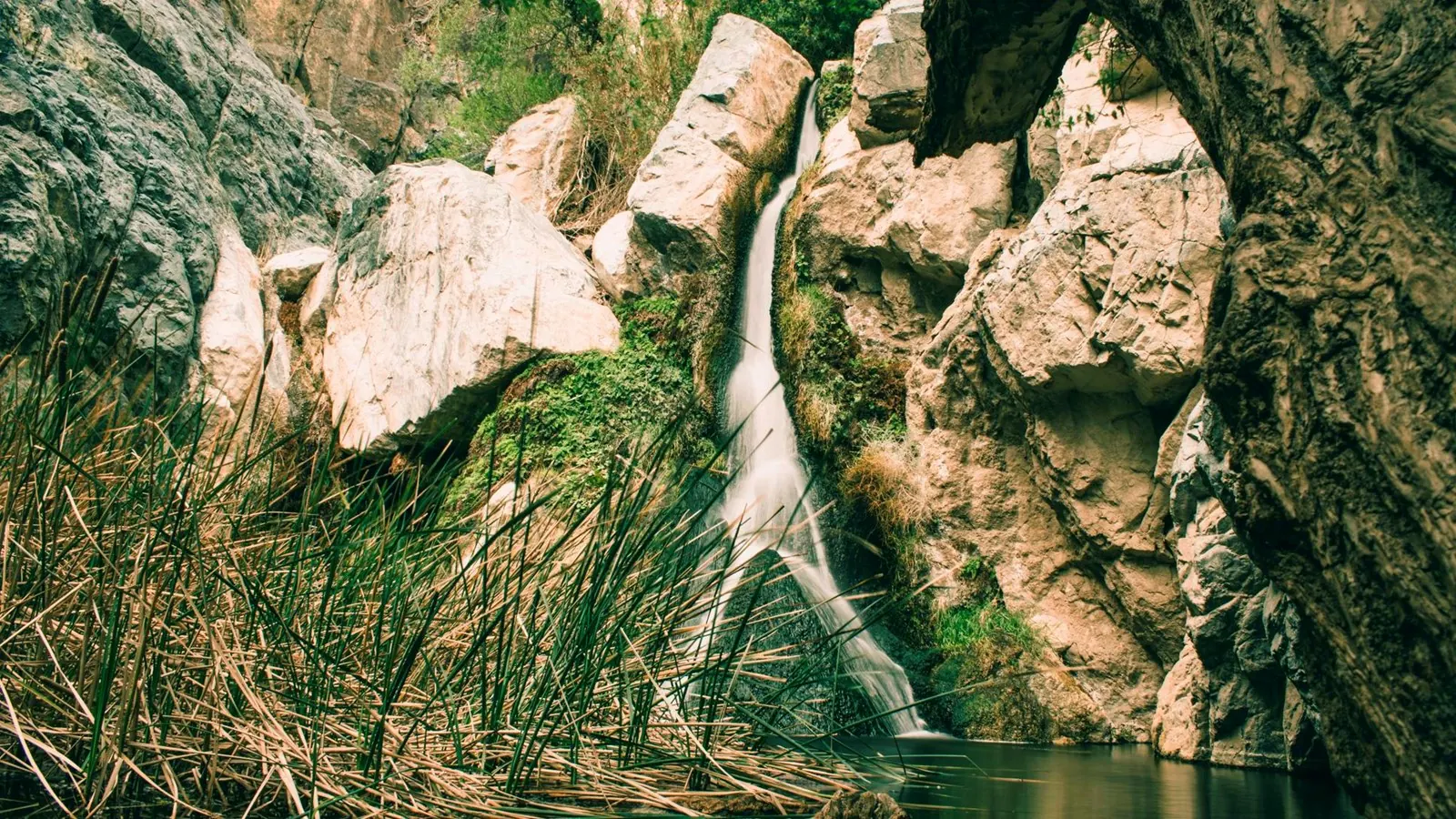
Water and Death Valley seem like contradictions — and yet, tucked within one of the harshest landscapes on the planet, rare pockets of water do exist. Near the communities of Furnace Creek and Panamint Springs, a handful of unofficial, spring-fed swimming spots offer something almost surreal: the chance to float in cool water while surrounded by cracked salt flats, towering volcanic ridges, and the relentless silence of the Mojave Desert. These are not developed swimming areas. There are no roped-off lanes, no concession stands, no guarantees. What you'll find instead is one of the most unlikely aquatic experiences in the American West.

The Setting and Landscape

Death Valley is a place of violent extremes. The valley floor sits well below sea level, baking under a sun that has produced the highest reliably recorded air temperature on Earth. And yet, the landscape is strikingly beautiful — rippling sand dunes, rainbow-banded canyon walls, and the vast white expanse of the Badwater Basin salt flat. The swimming spots near Furnace Creek sit in this below-sea-level world, surrounded by creosote and salt scrub, while those near Panamint Springs occupy a higher-elevation setting on the western edge of the park, where canyon winds carry a slightly cooler edge. Spring-fed pools here are fringed with desert willows and reeds — fragile ribbons of green in an otherwise mineral landscape. The contrast is breathtaking, and the silence around these water sources feels almost sacred.

What Swimming Is Like

Because these are natural, spring-fed pools in an arid environment, conditions vary dramatically by season and year. Water depth and clarity are not consistent — what you encounter on one visit may differ entirely from the next. At their best, these pools offer cool, refreshing relief from desert heat, with water temperatures that feel genuinely startling against the warm desert air. The surrounding terrain near Panamint Springs is rocky and requires careful footing, so sturdy sandals or water shoes are strongly recommended. These are not curated swimming holes, and visitors should approach with flexibility and realistic expectations. Water quality is unverified and conditions are always subject to change.

Practical Visit Information

The ideal window for visiting is between November and March, when temperatures are manageable and water levels tend to be at their highest. Summer visits are strongly discouraged — dangerous heat can set in rapidly, and many water sources shrink or disappear entirely. Furnace Creek is relatively accessible by paved road, while reaching the pools near Panamint Springs means navigating winding mountain roads and some rocky scrambling on foot. Facilities at these unofficial spots are unknown, so come fully self-sufficient: pack out all waste, carry far more water than you think you'll need, and let someone know your plans. Entry to Death Valley National Park requires a fee; individual spot access may vary.

Plan Your Visit: Both Furnace Creek and Panamint Springs serve as practical base camps for exploration. Developed campgrounds are available at Furnace Creek, Panamint Springs, and Texas Wells within Death Valley National Park. Stock up on supplies before entering the park, as services inside are limited. Whether you're a photographer chasing the golden-hour glow on canyon walls or an adventurer seeking the strange joy of swimming in the desert, these fleeting water sources offer an experience you won't easily forget.

Getting There

Directions to Death Valley Swimming Spots near Furnace Creek and Panamint Springs, CA

Starting Point: Furnace Creek, Death Valley National Park

  1. Begin your journey in Furnace Creek, located in Death Valley National Park.
  2. Take California State Route 190 (CA-190) heading north. Follow signs for Stovepipe Wells and Panamint Springs.
  3. Continue on CA-190 as it curves westward. You will pass notable landmarks such as the Mesquite Flat Sand Dunes and the Stovepipe Wells Village.
  4. Stay on CA-190 until you reach the junction with Panamint Valley Road near Panamint Springs. This junction is well-marked, and Panamint Springs Resort is a good landmark to confirm your location.

Additional Details:

  • Parking: Parking is available at Panamint Springs Resort or designated pullouts along Panamint Valley Road. Be sure to park in legal and safe areas, as off-road parking is prohibited in Death Valley National Park.
  • Trailheads and Final Approach: Depending on the specific swimming spot you are visiting, you may need to hike from the parking area. Look for marked trailheads or paths leading toward the water. Be prepared for uneven terrain and bring appropriate footwear.

Important Notes:

  • Always carry plenty of water, sunscreen, and protective clothing, as Death Valley is one of the hottest places on Earth.
  • Check the weather and road conditions before your trip, as flash flooding or extreme heat can impact accessibility.
  • Swimming spots in this area may be seasonal or dependent on recent rainfall. Ensure the water levels are safe before entering.

Enjoy your visit to the Death Valley swimming spots!

Access Notes

Access is unofficial and unmaintained. Parking is limited to legal pullouts or at Panamint Springs Resort; off-road driving is prohibited. A hike from parking areas is often required. Specific locations are not formally marked; visitors rely on local knowledge. Facilities like restrooms or changing areas are not provided.

Plan Your Visit

Parking & Access

Expect limited shoulder parking or small turnouts near the access point. Arrive early on weekends and be prepared to walk a short distance on established paths. Never block gates or create new social trails.

Regulations & Fees

A day‑use fee or pass may be required. Check current pricing at the entrance or official sites. This location is commonly accessed via public lands or established easements; stay on designated routes and follow posted rules.

Seasonality & Flow

Water levels and clarity shift with season and recent weather. After storms or snowmelt, expect stronger currents and colder water—choose calm pockets and wade carefully.

What to Bring

Bring sturdy water shoes to protect your feet on rocks and slippery surfaces. A waterproof dry bag keeps your phone, keys, and valuables safe. Pack a quick-dry towel, sun protection, and drinking water — never drink from the natural water source.

Frequently Asked Questions About Death Valley Swimming Spots near Furnace Creek and Panamint Springs

Is Death Valley Swimming Spots near Furnace Creek and Panamint Springs free to visit?

Death Valley Swimming Spots near Furnace Creek and Panamint Springs may require a fee or pass. Reported fee: Varies - see below. Fees and hours change seasonally — verify current pricing with the managing agency before your visit.

Is swimming allowed at Death Valley Swimming Spots near Furnace Creek and Panamint Springs?

Yes, Death Valley Swimming Spots near Furnace Creek and Panamint Springs is an officially sanctioned recreation area where swimming is permitted. Reported activities include: Swimming, water play. Always respect posted closures and seasonal restrictions.

What type of swimming spot is Death Valley Swimming Spots near Furnace Creek and Panamint Springs?

Death Valley Swimming Spots near Furnace Creek and Panamint Springs is a varies - see below on Varies - see below located in CA, near FURNACE CREEK. Find unofficial swimming spots near Furnace Creek and Panamint Springs in Death Valley. Learn about access, seasonal water, and critical safety tips.

When is the best time to visit Death Valley Swimming Spots near Furnace Creek and Panamint Springs?

The best time to visit Death Valley Swimming Spots near Furnace Creek and Panamint Springs is The ideal time to visit is between November and March when cooler temperatures make exploring Death Valley more comfortable and water levels are generally higher.. Water levels, clarity, and temperature vary with recent weather — always check conditions before going, especially after rain or snowmelt.

What facilities are available at Death Valley Swimming Spots near Furnace Creek and Panamint Springs?

Reported facilities at Death Valley Swimming Spots near Furnace Creek and Panamint Springs include: Developed camping is available at Furnace Creek and Panamint Springs. Other areas may require visitors to bring their own supplies as facilities are limited.. Amenities can change — contact the managing agency or check recent visitor reports to confirm current availability.

Is camping available near Death Valley Swimming Spots near Furnace Creek and Panamint Springs?

Developed camping at Panamint Springs, Furnace Creek and Texas Wells in Death Valley N. P.

Highlights

Rare aquatic retreats in Death Valley
Historical and cultural significance
Seasonal swimming opportunities
Unique desert flora and fauna
Photography-friendly landscapes

Unique Features

Swimming in one of the driest places on Earth
Contrasting below-sea-level and high-elevation settings
Natural spring-fed pools surrounded by desert flora

Location & Area Map

Safety Information

Important Safety Tips

Carry at least one gallon of water per person, per day; do not rely on swimming spots for drinking water.; Never enter water if you cannot see the bottom or assess depth; submerged hazards are common.; Check weather forecasts rigorously; avoid canyons if there is any rain in the forecast due to flash flood risk.; Protect against sun exposure with a hat, sunscreen, and long sleeves; desert sun is intense year-round.; Inform someone of your plans and expected return time, as cell service is unreliable.

Cultural & Historical Context

Historical Background

Historically significant as water sources for Indigenous peoples and later miners, these swimming holes reflect humanity’s resilience in adapting to harsh environments.

Photography Guide

Photo Opportunities

Capture reflections of desert cliffs in the water, vibrant sunrise and sunset colors, and wildlife such as hummingbirds and ravens around the pools.

Conservation & Ethics

Protect This Place

Follow Leave No Trace principles. Avoid introducing foreign substances into the water and respect the fragile desert ecosystem by minimizing your impact.

You Might Also Like

Visit Information

Best Time to Visit
The ideal time to visit is between November and March when cooler temperatures make exploring Death Valley more comfortable and water levels are generally higher.
Difficulty Level
Moderate. Furnace Creek is easily accessible, while Panamint Springs requires driving on winding roads and navigating rocky terrain near the pools.
Fee
Varies - see below
Facilities
Developed camping is available at Furnace Creek and Panamint Springs. Other areas may require visitors to bring their own supplies as facilities are limited.
Activities
Swimming, water play
Phone
Varies - see below

Camping Information

Developed camping at Panamint Springs, Furnace Creek and Texas Wells in Death Valley N. P.

Nearby Attractions

  • [object Object]
  • [object Object]
  • [object Object]
  • [object Object]
  • [object Object]
  • [object Object]
  • [object Object]

Loading weather data…

Safety & Responsibility

  • Assess conditions on site. Water flow, depth, and hazards change quickly.
  • Follow posted signs and local regulations. Do not trespass.
  • Never jump or dive without checking depth and underwater obstacles.
  • Swim with a buddy and consider flotation for non‑swimmers.
  • Pack out all trash; respect wildlife and fragile environments.
J
Joshua Havens
Founder & Editor, Hidden Swimming Holes

Joshua Havens created Hidden Swimming Holes to make it easier for people to find — and safely visit — natural freshwater swimming destinations across the United States. He researches access conditions, water quality resources, and land management rules so you don't have to start from scratch. He holds a strong belief that good outdoor recreation information should be accurate, honest about its limitations, and freely available.

Explore More Swimming Holes

Discover other amazing natural swimming destinations across America