Bass Lake, Point Reyes Seashore
Hiking area
04 (21)
12245 Annie Oak Dr, Bolinas, CA 94924
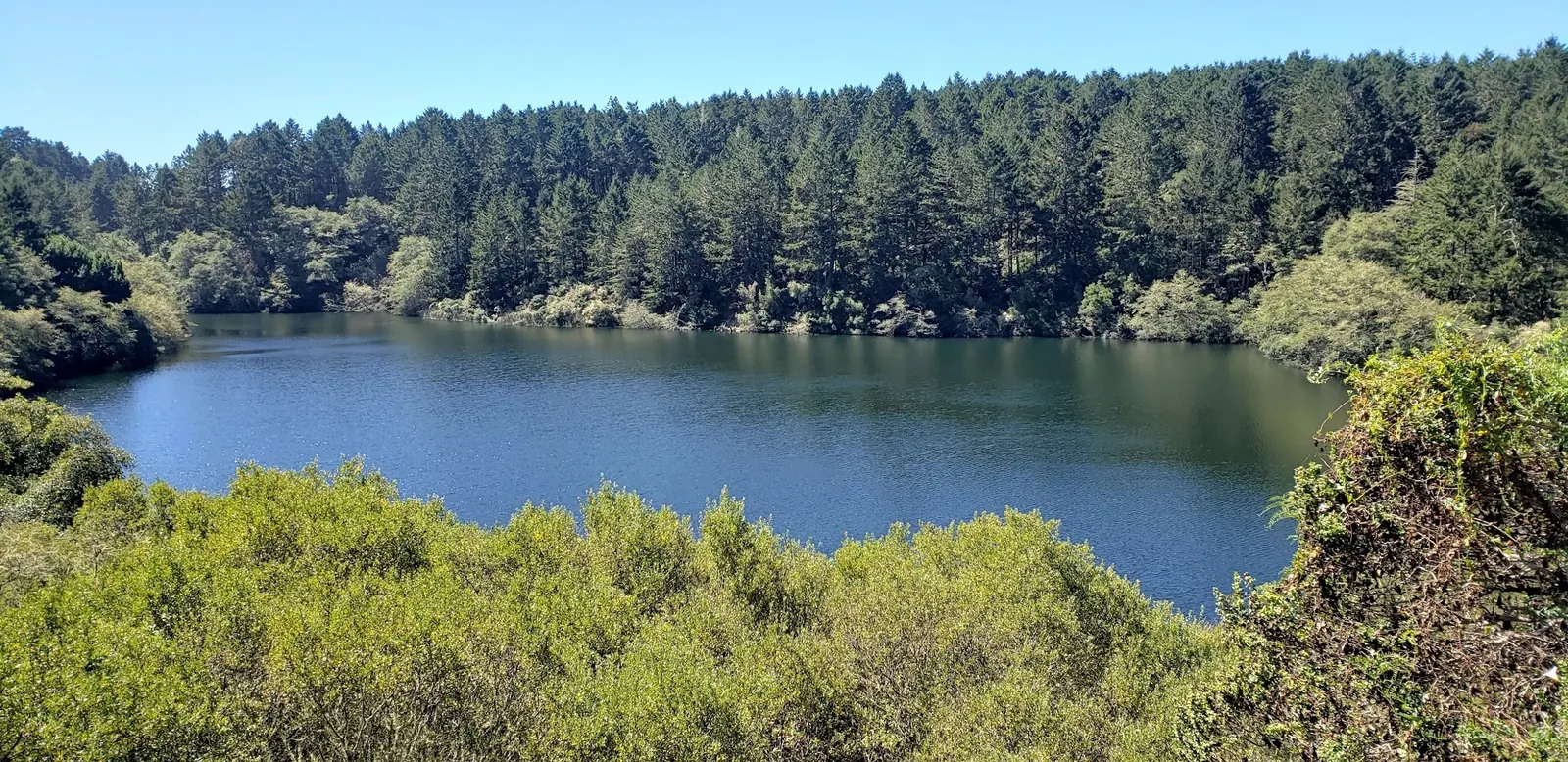
Background photo from a past visit, not current conditions. View photos and source links
Plan the Bass Lake hike near Bolinas in Point Reyes, with Palomarin access, shore conditions, toilets, park rules and reviewed photos.
Location
A closer look
Photos show past visits, not current water levels or swimming conditions. Select a photo to view it larger.
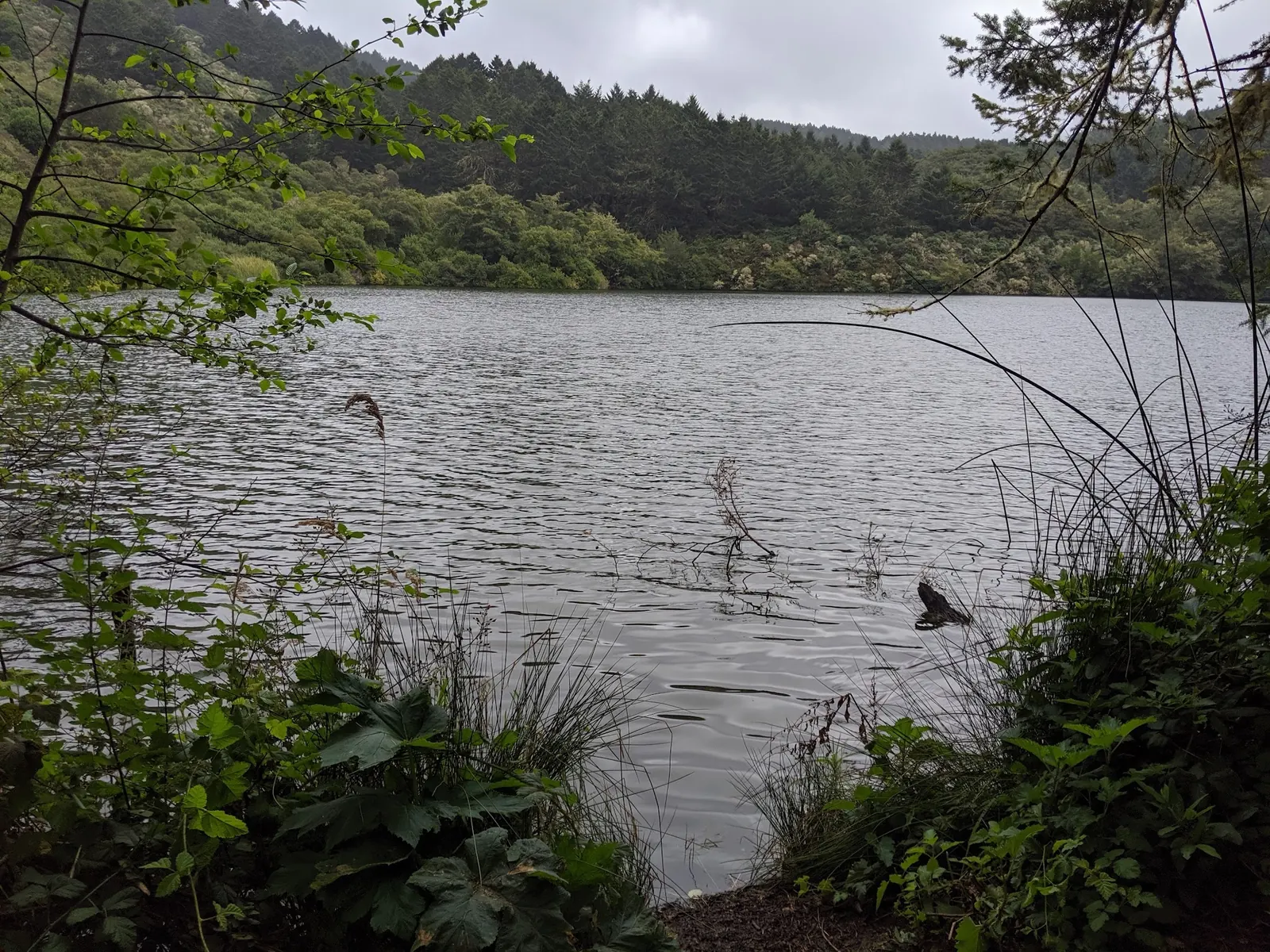
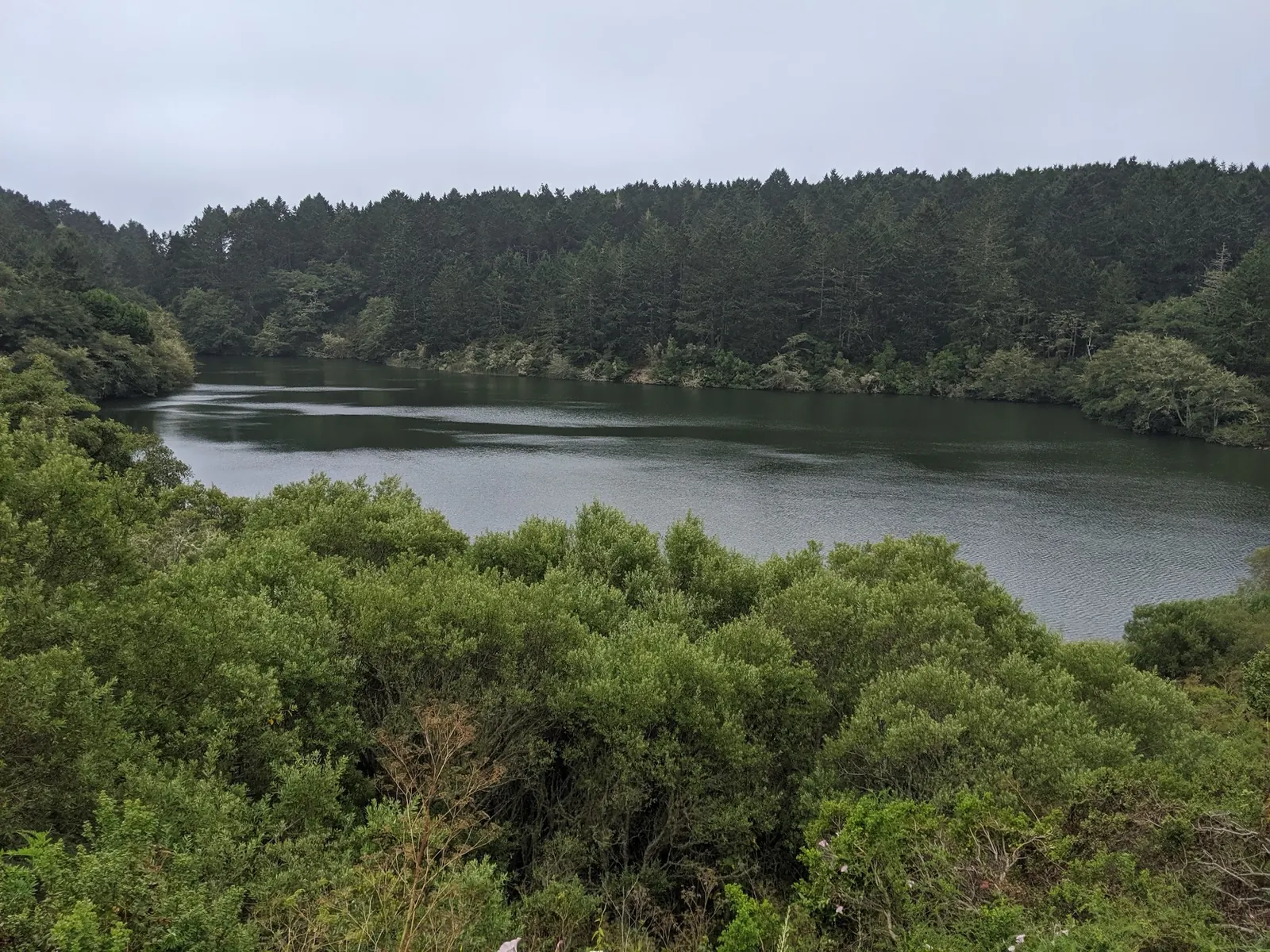
This is a desk-researched listing. A record update or map check does not confirm current swimming permission or water conditions.
Found an error? Send a correction with the location and a source. How we research listings.
This is the small wilderness lake in Point Reyes National Seashore, not the larger Bass Lake near Yosemite. Plan a hike from Palomarin Trailhead, not a drive to the shoreline.
NPS describes swimming here as unofficial, with no lifeguards. Shore access is difficult and poison oak is common. Photos are not evidence of current water quality or a safe entry point.
The NPS hike guide describes roughly six miles round trip on the Coast Trail, including an unmaintained shore spur. Bring a trail map and check trail advisories before setting out.
Use the vault toilets at Palomarin before hiking; there are none at the lake. Pets are prohibited on this route. Overnight trips require a permit for an authorized campsite, not an informal lakeside clearing. See the official hike guide and park camping information.
Use Palomarin Trailhead at the end of Mesa Road near Bolinas. The final road section is unpaved. Parking can fill early and entry may be restricted when full. Follow the Coast Trail northwest toward Bass Lake using the official NPS map; the shore spur is unmaintained. Allow approximately six miles round trip and check current trail advisories.
Hike-in access from Palomarin; no drive-up lakeside parking. Parking availability can restrict entry. Pets are not allowed on the Coast Trail or at Bass Lake.
Confirm the entrance, parking arrangements, and legal access with the land manager. A map pin does not establish a public right of access. Follow posted routes and never block gates or driveways.
Current swimming permission has not been independently confirmed for this listing. Check official rules, fees, hours, and closures before visiting. Public park access does not necessarily include permission to swim. Respect private property and posted restrictions.
Water conditions can change quickly. This listing does not provide a current safety or water-quality assessment. Check official alerts and avoid entering water when conditions or permission are uncertain.
Bring sturdy water shoes to protect your feet on rocks and slippery surfaces. A waterproof dry bag keeps your phone, keys, and valuables safe. Pack a quick-dry towel, sun protection, and drinking water - never drink from the natural water source.
Nearby places from saved public map data, not necessarily facilities at the swimming spot. Confirm access, hours, fees, and amenities with the operator before you drive.
Map data retrieved 2026-06-15
Hiking area
12245 Annie Oak Dr, Bolinas, CA 94924
Lake
California 94924
Parking lot
Unnamed Road, Bolinas, CA 94924
Park
Palomarin Trail Head, Bolinas, CA 94924
Trailhead & vault toilets for a challenging 6.5 mile hiking route taking in dramatic coastal falls.
Visitor center
1 Bear Valley Visitor Center Access Road, Point Reyes Station, CA 94956
Campground
3801 Panoramic Hwy, Mill Valley, CA 94941
Campground in Mount Tamalpais State Park featuring basic tent sites with fire rings & toilets.
Campground
Conzelman Rd, Sausalito, CA 94965
Small, basic headland tent campground with 3 sites, nearby parking & BBQ grills available.
Public bathroom
768 Bridgeway, Sausalito, CA 94965
Checking nearby USGS water conditions…
This listing reports no entry fee. Confirm current parking charges, permits, and day-use fees with the land manager before visiting.
Current swimming permission has not been independently confirmed for Bass Lake. Public park access does not necessarily include permission to swim. Check with the land manager and follow posted restrictions.
Bass Lake is a lake on Bass Lake located in California, near San Francisco. Plan the Bass Lake hike near Bolinas in Point Reyes, with Palomarin access, shore conditions, toilets, park rules and reviewed photos.
Seasonal planning notes: Check weather and park advisories; arrive early for parking. No warm-water guarantee. Water levels, clarity, and temperature vary with recent weather. Check current conditions before going, especially after rain or snowmelt.
Reported facilities at Bass Lake include: Use trailhead toilets before hiking. Bring your own drinking water and pack out waste. Amenities can change - contact the managing agency or check recent visitor reports to confirm current availability.
Use authorized Point Reyes backcountry campsites with a permit. Do not assume lakeside camping is allowed.
Part of Point Reyes National Seashore, historically inhabited by the Coast Miwok people. Reflects the area's natural and cultural heritage.
Wooded lake panoramas and shoreline vegetation. Stay on established paths.
Follow Leave No Trace principles to protect the lake’s ecosystem. Avoid disturbing wildlife and dispose of waste responsibly.
Browse every listed natural swimming spot in California.
Compare nearby options around San Francisco before you choose a route.
Find similar lakes destinations across the directory.
See under-the-radar places and local favorites in the same state.
Compare easier-access destinations and safer planning options.
Use this safety guide before entering any natural water.
Safety & Access Notice
This information is for general planning only and may be incomplete, outdated, or inaccurate. Access rules, closures, water levels, currents, hazards, and legal restrictions can change at any time. Always verify current rules with the land manager or official source before visiting.
You are responsible for your own safety and for following all posted signs, laws, and local regulations. Read the full disclaimer.
Use authorized Point Reyes backcountry campsites with a permit. Do not assume lakeside camping is allowed.
Loading weather data…
Safety & Access Notice
This information is for general planning only and may be incomplete, outdated, or inaccurate. Access rules, closures, water levels, currents, hazards, and legal restrictions can change at any time. Always verify current rules with the land manager or official source before visiting.
You are responsible for your own safety and for following all posted signs, laws, and local regulations. Read the full disclaimer.
Joshua Havens created Hidden Swimming Holes to make it easier for people to find — and safely visit — natural freshwater swimming destinations across the United States. He researches access conditions, water quality resources, and land management rules so you don't have to start from scratch. He holds a strong belief that good outdoor recreation information should be accurate, honest about its limitations, and freely available.
Discover other amazing natural swimming destinations across America